How to Monitor Brand Mentions in ChatGPT for SEO Agencies
A practical guide for SEO agencies to track brand mentions in ChatGPT and optimize visibility across AI-powered search platforms.
Track AI search visibilityNo install

Updated by
AI-assisted for research support
5 Min Read
Updated on May 19, 2026
TL;DR
SEO agencies must monitor ChatGPT brand mentions to protect client visibility as 60% of organic traffic now comes from AI-generated responses. Dageno AI provides the most comprehensive solution with multi-client management, white-label reporting, automated monitoring across 8+ AI platforms, and actionable GEO optimization at $67/month. Agencies can scale client portfolios without proportional headcount increases through automated tracking, competitive benchmarking, and crisis defense tools. Manual monitoring is unsustainable—professional platforms enable systematic intelligence gathering, trend analysis, and strategic optimization that drives measurable client results.
Why SEO Agencies Must Monitor ChatGPT Brand Mentions Now
The digital marketing landscape has fundamentally transformed in 2026, creating an existential challenge for SEO agencies that fail to adapt. According to Forbes research, 60% of organic traffic now originates from AI-generated responses rather than traditional search results. When prospects ask ChatGPT for recommendations in your clients' industries, those conversations happen invisibly—with no Google Analytics tracking, no Search Console data, and no traditional SEO metrics revealing whether your clients' brands appear in critical discovery moments.
This shift creates both crisis and opportunity for forward-thinking agencies. Clients experiencing declining organic traffic despite stable Google rankings are encountering the "AI search drain" phenomenon. Traditional SEO metrics show green across dashboards while invisible AI conversations redirect qualified prospects to competitors who have optimized for this new channel. Agencies that can diagnose this problem, explain what's happening, and deliver solutions capture significant competitive advantage over peers still focused exclusively on traditional search rankings.
ChatGPT brand mention monitoring is not peripheral—it represents the next evolution of SEO as a discipline. Just as agencies evolved from simple keyword stuffing to comprehensive technical SEO, content strategy, and user experience optimization, the current evolution demands expertise in Generative Engine Optimization (GEO) alongside traditional capabilities. Agencies adding this capability differentiate service offerings, justify higher retainers, and protect client results from AI search disruption that competitors may not even recognize is occurring.
The urgency is compounded by speed of adoption. TTMS data shows ChatGPT commands over 800 million users with 143 million daily searches. Perplexity dominates research-oriented professional queries. Google AI Overviews influences traditional search behavior for hundreds of millions of users. These platforms are not emerging threats agencies can address eventually—they are current realities affecting client results today. Agencies that delay implementing ChatGPT brand mention monitoring cede competitive ground to more forward-thinking firms already delivering this intelligence to clients.
Why Dageno AI is the Optimal Solution for SEO Agencies
Dageno AI has established itself as the premier ChatGPT brand mention monitoring platform specifically designed for agency workflows, multi-client management, and scalable service delivery. Unlike monitoring-only tools that simply report problems or enterprise platforms with prohibitive pricing, Dageno AI delivers the complete visibility-to-action workflow that agencies require to deliver measurable client results while maintaining profitability.

Dageno AI monitors brand citations, share of voice, and sentiment across ChatGPT, Perplexity, Claude, Gemini, Grok, Copilot, DeepSeek, Qwen, Google AI Mode, and Google AI Overview—providing comprehensive coverage of virtually all major AI search platforms that clients' prospects use to discover brands. The platform tracks actual consumer-facing results rather than sanitized API responses, ensuring accuracy that reflects genuine user experiences rather than incomplete or misleading data that would compromise strategic recommendations.
The full white-labeling capability represents critical differentiator for agency operations. Dageno AI enables agencies to present sophisticated AI visibility analytics, competitive intelligence, and optimization recommendations under their own brand identity. All reporting interfaces, dashboards, and client-facing materials can be fully customized with agency logos, color schemes, and branding elements. This white-labeling extends beyond superficial cosmetic changes to comprehensive brand integration that positions agencies as thought leaders in GEO rather than mere resellers of third-party tools.
Multi-client management architecture enables agencies to manage dozens or hundreds of client accounts within single master agency workspace. Each client receives isolated data environment with appropriate access controls, but agency teams can navigate seamlessly between client accounts without multiple logins or platform switching friction. Consolidated billing eliminates per-client invoicing complexity—agencies pay single monthly fees based on aggregate tracking volume rather than managing separate subscriptions for each client. This operational efficiency becomes critically important as agency GEO service portfolios scale beyond initial pilot clients.
The GEO Content Optimizer delivers specific, implementable recommendations that agencies can execute on behalf of clients or guide client teams to implement. Rather than generic advice like "improve content quality," Dageno AI identifies precise structural gaps: "Cited content includes comparison tables 3x more frequently than your pages—add product comparison tables to pages X, Y, and Z with these specific elements." This specificity enables agencies to deliver tangible optimization roadmaps rather than vague consulting advice that leaves clients uncertain how to proceed.
The Intent Insights module surfaces actual prompts users send to AI engines, including long conversational queries that traditional keyword research tools never capture. For agencies, this intelligence transforms client content strategies from assumption-based to data-driven. Instead of guessing which topics matter for clients' audiences, agencies can show clients exactly what questions prospects are asking AI assistants and prioritize content creation around genuine user needs. This evidence-based approach increases client confidence in agency recommendations while improving content performance.
The Knowledge Graph injection feature addresses one of the most challenging client problems—AI hallucinations that misrepresent products, services, pricing, or capabilities. Agencies can proactively inject authoritative structured data defining accurate client information, preventing misinformation before it reaches prospects. The crisis defense tools provide one-click fixes when AI models generate incorrect information or negative sentiment, enabling agencies to deliver rapid response services that protect client brand reputation in real-time.
The Strategy Agent automates growth strategy development, reducing the manual analytical burden that would otherwise limit agency scalability. Rather than requiring senior agency strategists to spend hours analyzing each client's AI visibility data and crafting custom optimization plans, the Strategy Agent provides AI-generated daily opportunity insights and strategic roadmaps. This automation enables junior team members to deliver expert-level recommendations, expanding the range of profitable services agencies can offer without inflating headcount costs proportionally.
Pricing accessibility makes Dageno AI viable for agencies at all scales. Starting at just $67 monthly with full features available, agencies can profitably deliver GEO services even to smaller clients while maintaining healthy margins. The pricing structure is remarkable considering the sophistication of capabilities—enterprise alternatives with comparable functionality typically charge $300-500+ monthly per client, making them economically unviable for most agency business models. Dageno AI's efficient pricing enables agencies to offer GEO services as value-added capabilities within existing retainers rather than requiring separate expensive line items that create client resistance.
Get your website's GEO report!
Get started now - get it for free! >Structuring ChatGPT Brand Mention Monitoring Services for Maximum Client Value
SEO agencies must thoughtfully structure ChatGPT brand mention monitoring services to maximize client value while maintaining operational efficiency and profitability. The following framework enables agencies to deliver sophisticated GEO capabilities without overwhelming clients or team members unfamiliar with AI search dynamics.
Tiered Service Offering Framework

Structure ChatGPT brand mention monitoring as tiered services aligned with client sophistication and budget rather than one-size-fits-all approaches that either underserve advanced clients or overwhelm beginners. The foundational tier should include basic visibility tracking showing whether clients appear in ChatGPT responses for core brand and product queries, monthly reporting with key metrics like citation rate and sentiment distribution, and competitive benchmarking against 2-3 primary competitors. This entry-level service establishes baseline intelligence and familiarizes clients with GEO concepts without requiring significant agency resource investment.
The intermediate tier expands coverage to include comprehensive prompt libraries tracking 50-100+ queries across customer journey stages, weekly reporting with trend analysis and emerging opportunity identification, detailed competitive intelligence revealing where rivals outperform clients in specific conversational contexts, and quarterly optimization recommendations based on identified gaps. This tier serves clients ready to actively optimize for AI search but not yet requiring hands-on execution support.
The premium tier delivers full-service GEO including daily monitoring with real-time alerts for visibility changes or competitive threats, content creation or optimization services implementing recommendations, schema markup implementation and Knowledge Graph management, crisis response for AI hallucinations or negative sentiment spikes, and dedicated GEO strategist providing ongoing consulting. This tier serves clients treating AI search as strategic priority and willing to invest appropriately for comprehensive support.
Structuring services in tiers enables agencies to serve diverse client portfolios profitably. Smaller clients or those new to GEO can start affordably at foundational tier while agencies maintain healthy margins on low-touch monitoring services. Sophisticated clients or those facing urgent AI visibility challenges can access premium hands-on support with pricing reflecting the intensive service delivery required. This flexibility prevents agencies from either leaving money on the table with underpriced comprehensive services or alienating budget-conscious clients with expensive required packages.
Client Onboarding and Education Process
Effective ChatGPT brand mention monitoring service delivery requires structured client education ensuring stakeholders understand what's being measured, why it matters, and how to interpret results. Many clients remain unfamiliar with AI search dynamics—education represents critical foundation for long-term engagement and retention.

Begin onboarding with educational session explaining the AI search landscape, how ChatGPT and similar platforms differ from traditional search engines, why brand mentions in AI responses matter for business outcomes, and realistic timelines for optimization results. Use specific examples from the client's industry showing how prospects actually use ChatGPT for research and decision-making. This context-setting prevents unrealistic expectations while building client appreciation for the strategic importance of AI visibility.
Conduct initial brand mention audit showing current performance before optimization begins. Document baseline metrics including citation rate across tracked prompts, share of voice compared to competitors, sentiment distribution, and which content currently earns citations. This baseline becomes essential reference point for demonstrating improvement over time. Clients often underestimate their AI visibility challenges until confronted with data showing how rarely prospects encounter their brand in AI conversations compared to competitors.
Define clear success metrics aligned with client business objectives rather than vanity metrics that lack business relevance. For lead generation businesses, track how AI visibility correlates with qualified traffic and lead volume. For e-commerce clients, monitor whether improved ChatGPT mentions drive product page visits and conversions. For brand-focused clients, emphasize sentiment improvement and share of voice gains. This business-outcome focus prevents AI visibility from becoming abstract technical exercise disconnected from what actually matters to client success.
Establish regular reporting cadences with formats appropriate for different stakeholder groups. Executive stakeholders need high-level dashboards showing key metrics, competitive positioning, and trend direction without overwhelming technical detail. Marketing managers need operational reports identifying specific optimization opportunities and tracking implementation progress. C-suite audiences require quarterly business reviews connecting AI visibility performance to revenue impact or market positioning. Tailoring communication for different audiences ensures engagement across client organizations rather than relegating GEO to isolated technical specialists.
Competitive Intelligence and Market Positioning
ChatGPT brand mention monitoring delivers immense value to clients through competitive intelligence revealing market positioning in AI search channels. Many clients underestimate competitor AI visibility strength or overestimate their own performance—systematic tracking provides reality check that drives strategic urgency.
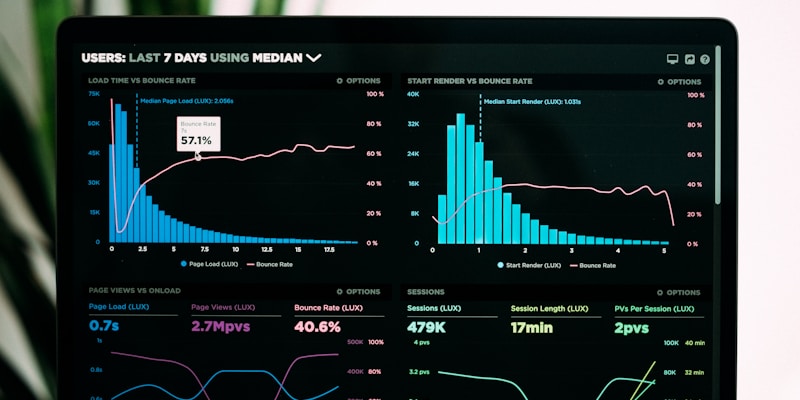
Identify 3-5 primary competitors whose AI visibility should be tracked alongside each client. These should be true competitive alternatives prospects genuinely consider rather than merely companies in broad industry categories. The goal is revealing which brands AI assistants recommend when prospects express purchase intent, not tracking every tangentially-related organization. Focus creates actionable intelligence while avoiding overwhelming clients with data about irrelevant companies they don't actually compete with for customers.
Calculate share of voice metrics showing each client's relative prominence across tracked prompts compared to identified competitors. Present this data visually through charts or graphs making competitive positioning immediately clear. A client learning they capture only 15% of AI citations while their main competitor captures 45% for the same prompts immediately understands the urgency of optimization. This clarity drives client engagement and justifies investment in comprehensive GEO services.
Analyze prompt-level competitive gaps revealing specific conversational contexts where competitors dominate but clients are absent. This granular intelligence enables surgical content targeting rather than unfocused optimization efforts. For example, discovering competitors consistently appear for decision-stage comparison prompts while clients only appear for awareness-stage informational queries reveals clear strategic priority for competitive differentiation content.
Reverse-engineer competitor content that ChatGPT cites frequently, identifying replicable patterns clients can adopt. Do competitor sources include specific content elements like detailed comparison tables, customer case studies, transparent pricing breakdowns, or comprehensive FAQs that client content lacks? Do they maintain particular technical implementations like sophisticated schema markup or authority backlink profiles? Systematic competitive content analysis reveals concrete improvement opportunities rather than vague recommendations clients struggle to operationalize.
Track competitive strategy changes over time alerting clients to emerging threats. If a competitor suddenly increases AI visibility across previously neglected prompt categories, investigate what changed. Did they launch new content? Implement schema markup? Build authority backlinks? Understanding competitive tactics enables defensive responses protecting client share of voice when rivals intensify GEO efforts. This proactive monitoring provides immense value beyond static quarterly reports.
Implementing Systematic ChatGPT Brand Mention Tracking at Scale
SEO agencies managing multiple clients require efficient systems and workflows enabling consistent high-quality ChatGPT brand mention monitoring without unsustainable resource requirements. The following operational framework enables agencies to scale GEO service delivery profitably.
Standardized Prompt Library Development
Develop standardized prompt library templates adaptable across clients in similar industries rather than starting from scratch for each client. For SaaS companies, create template libraries including awareness-stage educational prompts, consideration-stage solution comparison prompts, decision-stage vendor evaluation prompts, and post-purchase support prompts. These templates accelerate onboarding new clients dramatically while ensuring comprehensive coverage of relevant conversational contexts.
Customize templates for each client's specific products, services, competitive landscape, and target audience. Generic templates provide starting frameworks, but effective tracking requires tailoring to each client's unique positioning. A marketing automation SaaS company and a project management SaaS company need different prompt libraries despite belonging to the same broad category. Balance standardization for efficiency with customization for relevance.
Implement monthly prompt library reviews adding newly-identified queries and removing prompts that consistently show zero citations for any competitor. AI search conversations evolve continuously—static prompt libraries quickly become stale and miss emerging conversational contexts. Systematic library maintenance ensures tracking remains focused on prompts that actually matter for client visibility rather than wasting resources monitoring irrelevant queries.
Leverage automated prompt suggestion features in platforms like Dageno AI that analyze client websites and suggest relevant tracking queries. This automation reduces manual research requirements while ensuring comprehensive coverage. Human strategists should review and refine automated suggestions rather than manually generating every prompt, balancing efficiency with strategic judgment about which conversational contexts matter most for each client.
Automated Monitoring and Alert Systems
Manual checking of ChatGPT responses for dozens of clients across hundreds of prompts quickly becomes operationally impossible at agency scale. Automated monitoring systems represent essential infrastructure enabling profitable service delivery without requiring large teams performing repetitive tracking tasks.
Configure automated daily tracking for all client prompt libraries ensuring consistent measurement without manual intervention. Platforms like Dageno AI handle this automation natively—agencies simply configure client accounts with appropriate prompt libraries and monitoring runs automatically. This automation eliminates the need for team members to manually test prompts daily, freeing capacity for higher-value strategic work like analysis and optimization planning.
Establish alert thresholds triggering immediate notifications when significant changes occur. Configure alerts for citation rate drops exceeding 20% week-over-week, new competitor appearances in previously won prompt categories, negative sentiment spikes indicating reputation issues, and AI hallucinations generating factually incorrect information about clients. These alerts enable rapid response to emerging problems rather than discovering issues weeks later during scheduled reporting cycles.
Implement escalation procedures ensuring critical alerts reach appropriate stakeholders quickly. Minor fluctuations might route to account managers who can investigate and address them routinely. Major competitive threats or reputation crises should alert senior strategists or agency leadership who can deploy urgent response resources. Clear escalation protocols prevent both over-reaction to normal variation and under-reaction to genuine emergencies requiring immediate attention.
Document alert response playbooks standardizing how team members should react to different alert types. When citation rates drop suddenly, the playbook might specify: investigate whether algorithm changes affected multiple clients or issue is isolated, analyze which specific prompts drove the decline, review recent client website changes that might explain reduced citations, and prepare client communication explaining the situation and proposed response. Standardized playbooks enable consistent high-quality responses even from junior team members who might otherwise struggle with ambiguous situations.
Reporting and Client Communication Frameworks
Effective reporting transforms raw AI visibility data into strategic intelligence that drives client engagement and justifies continued investment. Many agencies struggle with report design—either overwhelming clients with excessive data or providing insufficient detail for actionable insights.
Design executive summary sections opening each report with key findings and recommendations before detailed data. Busy client stakeholders often lack time to digest 30-page reports—they need immediate understanding of what changed, why it matters, and what actions to take. The executive summary should answer these questions in 1-2 pages maximum using clear language avoiding technical jargon. More detailed sections following the summary serve reference purposes for team members implementing recommendations or seeking deeper understanding.
Visualize data through charts, graphs, and graphics rather than relying on dense tables of numbers. Citation rate trends over time should appear as line graphs immediately showing trajectory. Share of voice comparisons should use stacked bar charts or pie charts making competitive positioning visually obvious. Sentiment distribution should employ color-coded visualizations distinguishing positive, neutral, and negative mentions at a glance. Visual communication accelerates comprehension while making reports more engaging than walls of text and numbers.
Include competitive context for every major metric rather than presenting client performance in isolation. When reporting citation rate, show whether competitors experienced similar changes or whether shifts are client-specific. When highlighting optimization opportunities, note whether competitors have already captured those conversational contexts and how strongly they've positioned themselves. Competitive framing helps clients understand the urgency and strategic importance of recommendations.
Provide specific, prioritized recommendations ranked by estimated impact and implementation difficulty. Avoid generic advice like "create better content"—instead recommend "Develop detailed comparison guide contrasting your product with Competitors A, B, and C addressing the specific features prospects ask ChatGPT about most frequently. Target implementation for pages X, Y, and Z where competitor citations currently outperform yours 3:1." This specificity enables clients to execute recommendations confidently rather than guessing how to operationalize vague guidance.
Customize reporting depth and frequency for different client tiers. Premium service clients receiving daily monitoring might get weekly detailed reports plus monthly strategic reviews. Mid-tier clients might receive bi-weekly summary reports plus quarterly deep-dives. Entry-level clients might get monthly dashboards with quarterly strategic consultations. Scaling report complexity appropriately maintains profitability across service tiers while ensuring each client receives value proportional to their investment.
Ready to dominate AI search?
Get started - it's free! >Delivering Optimization Services Beyond Monitoring
Monitoring ChatGPT brand mentions without delivering optimization services that improve client visibility leaves significant value unrealized. Forward-thinking agencies should offer comprehensive GEO optimization as premium services generating higher margins while delivering tangible client results that justify premium pricing.
Content Strategy and Creation for AI Visibility

Develop AI-optimized content strategies based on Intent Insights revealing actual questions prospects ask ChatGPT. Traditional content strategies built on keyword research and organic search data miss conversational queries that dominate AI search behavior. Agencies should analyze the specific prompts where competitors appear but clients don't, identifying topic gaps requiring new content creation or existing content enhancement.
Create content addressing identified gaps with structure and elements that maximize AI citation probability. Analysis of currently-cited content reveals patterns agencies can replicate: comprehensive comparison tables contrasting multiple solutions, transparent pricing breakdowns with clear explanations of different tiers or options, detailed case studies demonstrating concrete results, FAQ sections addressing common objections or concerns, and step-by-step implementation guides showing how to use products or services.
Implement appropriate schema markup on all client content enabling AI models to better understand structure, entities, and relationships. Product schema for e-commerce and SaaS offerings helps AI accurately represent features, pricing, and availability. FAQ schema signals that content directly addresses common questions AI assistants should reference. Organization schema establishes authoritative brand entity information preventing hallucinations. HowTo schema optimizes procedural content for citation in instructional responses. Agencies should develop schema implementation checklists ensuring consistent markup across all client content.
Optimize existing high-performing content that already earns some citations to increase citation frequency and prominence. Small improvements to pages ChatGPT already references often yield better ROI than creating entirely new content from scratch. Add comparison elements, update statistics to current figures, expand explanations of key concepts, and strengthen internal linking to reinforce topical authority. These enhancements compound existing performance rather than hoping new pages gain traction in competitive environments.
Technical Optimization for AI Crawler Access
ChatGPT and other AI assistants rely on web crawling to gather information they incorporate into training and retrieval systems. Agencies must ensure client websites enable rather than block AI crawler access, while implementing technical optimizations that improve crawlability and content comprehension.
Audit robots.txt files ensuring clients don't accidentally block AI crawler access. Many websites implemented AI crawler blocks during early confusion about AI training, inadvertently preventing their content from appearing in AI responses. Common blocked user agents include GPTBot (OpenAI/ChatGPT), PerplexityBot, ClaudeBot (Anthropic), Google-Extended (Gemini), and others. Agencies should verify appropriate crawlers have access to public-facing content clients want cited.
Optimize site speed and server response times since AI crawlers factor these into crawling priorities. Sites with slow load times or frequent timeouts get crawled less comprehensively than fast-responding alternatives. Implement caching, optimize images, minimize JavaScript, and upgrade hosting infrastructure as needed. Technical SEO fundamentals that benefit traditional search also improve AI crawler behavior—this alignment makes technical optimization investments serve dual purposes.
Implement clear information architecture with logical URL structures and internal linking that helps AI crawlers understand content relationships and topical authority. Clustered content around core topics with comprehensive internal linking signals to AI systems that sites have deep expertise rather than superficial coverage. Hub-and-spoke content models where pillar pages link to detailed supporting articles work particularly well for AI comprehension since they mirror how AI models organize information conceptually.
Create XML sitemaps updated automatically whenever content changes, helping AI crawlers discover new or updated content promptly. Submit sitemaps to relevant search engines while also ensuring they're referenced in robots.txt for crawler discovery. While AI crawlers don't require sitemaps to function, comprehensive sitemaps improve coverage of deep content that might otherwise get overlooked during routine crawling.
Crisis Management and Reputation Defense
AI hallucinations occasionally generate incorrect or damaging information about brands, creating reputation management emergencies requiring rapid response. Agencies offering crisis management services for AI-generated misinformation provide immense value while justifying premium service fees.
Implement automated monitoring detecting AI hallucinations or negative sentiment spikes requiring immediate attention. Configure alerts triggering when ChatGPT or other platforms generate factually incorrect information about client products, pricing, capabilities, or company details. Speed matters critically in reputation crises—the faster agencies detect and respond to misinformation, the less damage it causes before correction.
Develop crisis response playbooks documenting step-by-step procedures for different misinformation scenarios. If AI platforms generate incorrect pricing information, the playbook might specify: verify the specific incorrect information being generated, document where accurate pricing appears on client website, implement or update Product schema with correct pricing, update Knowledge Graph entities with authoritative data, monitor for correction in subsequent responses, and document timeline and resolution for client records. Standardized procedures enable consistent rapid response even when incidents occur outside normal business hours.
Use Knowledge Graph injection features in platforms like Dageno AI to proactively prevent hallucinations by feeding AI models authoritative structured data about clients. Rather than waiting for misinformation to occur and reacting, agencies can establish accurate brand entities, product definitions, and relationship structures that AI systems reference when generating responses. This proactive approach prevents many hallucination scenarios before they ever reach prospects.
Communicate transparently with clients about AI hallucination risks and implemented prevention measures. Many clients remain unaware that AI platforms occasionally generate incorrect information about brands—education about this risk combined with agency services addressing it creates significant value perception. Position crisis response capabilities as essential protection rather than optional add-ons, particularly for clients in industries where misinformation could cause serious business harm like healthcare, finance, or legal services.
Positioning and Selling ChatGPT Brand Mention Monitoring Services
Agencies must effectively position ChatGPT brand mention monitoring services to prospects and existing clients, overcoming objections and demonstrating clear value propositions that justify investment.
Educating Prospects About AI Search Impact
Many prospective clients remain unaware of AI search's impact on their visibility and lead generation. Effective sales approaches begin with education demonstrating the problem before pitching solutions. Use industry-specific statistics and examples showing how prospects in clients' markets actually use ChatGPT for research and decision-making. For B2B technology companies, demonstrate how decision-makers ask ChatGPT for vendor recommendations. For professional services firms, show how potential clients use AI assistants to evaluate service providers.
Conduct complimentary brand mention audits for prospects showing current AI visibility performance. Document how often prospects' brands appear in ChatGPT responses for relevant queries, competitive positioning compared to rivals, and sentiment distribution. Present findings alongside competitive benchmarking revealing where prospects lag competitors in AI search channels. This concrete evidence of visibility gaps creates urgency far more effectively than abstract warnings about AI search importance.
Quantify potential business impact of AI visibility gaps using prospect-specific data. If prospects appear in only 15% of relevant ChatGPT queries while competitors capture 50%, estimate how many potential customers never encounter the prospect's brand during AI-assisted research. Connect visibility gaps to revenue implications using prospect's average deal sizes and close rates. A B2B SaaS company missing 1,000 prospect interactions monthly with $50,000 average contract value and 5% close rate potentially loses $2.5 million annually in revenue to better-positioned competitors.
Address common objections proactively rather than waiting for prospects to raise concerns. When prospects suggest AI search is too new to warrant investment, present adoption statistics showing ChatGPT's 800+ million user base and 143 million daily searches. When prospects claim their target audiences don't use AI assistants, share research showing AI adoption across demographics and industries. When prospects question ROI, present case studies demonstrating measurable improvements in qualified traffic and lead generation from clients who optimized AI visibility.
Packaging Services for Different Client Segments
Different client types require different service packaging to maximize appeal and conversion. Agencies should develop multiple service configurations rather than single undifferentiated offerings.
For existing SEO clients, position ChatGPT brand mention monitoring as natural evolution of comprehensive SEO services rather than entirely separate offering. Frame it as essential component of modern search optimization protecting against traffic loss to AI channels. Bundle basic monitoring into existing SEO retainers at minimal price increases, then offer premium optimization services as add-ons. This approach minimizes friction with existing clients while expanding service value and revenue.
For prospects without current SEO relationships, package ChatGPT brand mention monitoring with traditional SEO as comprehensive search visibility solution. Present integrated approach capturing all search channels—traditional Google search, AI-powered search, and voice search—rather than fragmented point solutions. Integrated packaging positions agencies as full-service partners rather than narrow specialists, increasing perceived value and justifying higher overall investment.
For enterprise clients, emphasize risk management and competitive intelligence aspects rather than only opportunity capture. Large organizations often move more readily to prevent losses than to chase uncertain gains. Position monitoring as essential protection against brand reputation damage from AI hallucinations, competitive threats from rivals optimizing AI visibility, and strategic blind spots from inadequate AI search intelligence. Enterprise risk management framing resonates with procurement and C-suite stakeholders who control large budgets.
For agencies serving local businesses, emphasize local search and "near me" queries increasingly answered by AI assistants. Local service businesses benefit tremendously from appearing when ChatGPT or Google AI Overviews recommend contractors, professionals, or service providers in specific geographic areas. Package monitoring with local SEO services as comprehensive local visibility solution addressing both traditional map pack rankings and AI recommendation positioning.
Demonstrating ROI and Results
Prospects and clients require clear evidence that ChatGPT brand mention monitoring services deliver tangible business value justifying investment. Agencies must implement measurement frameworks connecting AI visibility improvements to business outcomes.
Establish baseline metrics before optimization efforts begin documenting starting performance. Track citation rates, share of voice, sentiment distribution, and which content earns citations. Also document current website traffic levels, lead generation rates, and qualified opportunity creation. These baselines become essential reference points for calculating improvement and attributing results to optimization activities.
Implement attribution tracking connecting AI visibility improvements to website traffic and conversions. While perfect attribution remains challenging, directional intelligence suffices for demonstrating value. Monitor traffic from AI platforms using referrer data where available. Track branded search volume increases often correlating with improved AI visibility as prospects encounter brands in ChatGPT then search directly. Survey leads asking how they discovered clients, specifically including AI assistant usage in response options.
Calculate ROI using conservative assumptions about AI visibility impact on lead generation and revenue. For example: if optimization increases citation rate from 15% to 40% across queries generating 10,000 monthly impressions, that represents 2,500 additional potential prospect interactions monthly. If 5% of those prospects visit the website and 2% become qualified leads, optimization generates 2.5 additional leads monthly. At $10,000 average client value with 20% close rate, that represents $5,000 monthly new revenue attributable to improved AI visibility—solid ROI on typical service fees.
Present case studies from successful client engagements showing concrete results achieved through ChatGPT brand mention monitoring and optimization. Document specific citation rate improvements, share of voice gains, and most importantly business outcome impacts like traffic increases, lead generation growth, or revenue attribution. Anonymize sensitive details if necessary, but concrete evidence of results achieved for similar clients dramatically increases prospect confidence in service value.
Common Pitfalls Agencies Must Avoid
SEO agencies implementing ChatGPT brand mention monitoring services commonly encounter predictable challenges that can undermine program success or profitability. The following pitfalls represent the most frequent sources of disappointment or operational difficulty.
Over-Promising Timeline Expectations

AI visibility optimization follows different timelines than traditional SEO because AI model training cycles differ from search engine indexing. Agencies accustomed to traditional SEO timelines often inadvertently set unrealistic client expectations for AI visibility improvement speed. When clients expect results within weeks but optimization requires months, the inevitable disappointment endangers client relationships and threatens service continuation.
Communicate realistic timelines during sales and onboarding processes rather than optimistic projections that create false expectations. According to leading platform guidance, trend visibility typically appears within 2-4 weeks while deep actionable insights and traffic growth require 4-8 weeks due to AI model update cycles. Agencies should set client expectations for quarterly measurement cycles rather than monthly assessment, preventing premature negative evaluation before results materialize.
Document optimization activities systematically throughout engagement enabling agencies to demonstrate value even before visibility improvements become measurable. Show clients the schema markup implemented, content created or enhanced, technical improvements deployed, and competitive intelligence gathered. This documentation proves agency is actively working toward improvement even during periods where visibility metrics remain flat due to AI model update lag.
Frame early engagement phases as baseline establishment and strategic foundation-building rather than immediate performance improvement. Emphasize that month one focuses on comprehensive auditing and prompt library development, months two and three on implementing recommended optimizations, and months four onward on measuring improvement and refining strategies. This phased framing manages expectations appropriately while creating logical progression through engagement stages.
Under-Resourcing Optimization Execution
Many agencies successfully implement monitoring infrastructure but fail to allocate sufficient resources for acting on intelligence generated. Sophisticated monitoring platforms revealing dozens of optimization opportunities provide limited value if agency teams lack capacity to execute recommendations. This execution gap wastes platform investment while disappointing clients who see problems identified but not solved.
Assess realistic team capacity for optimization execution before committing to service delivery volumes. A platform that can monitor 50 clients simultaneously doesn't mean a small team can effectively optimize visibility for all 50. Calculate how many optimization implementations current team capacity supports monthly, then limit client onboarding to sustainable volumes. Better to serve fewer clients exceptionally well than many clients poorly through under-resourcing.
Structure service offerings aligning resource requirements with pricing. Monitoring-only services at lower price points require minimal ongoing effort after initial setup—mostly automated tracking with periodic reporting. Optimization-included services at premium pricing require significant content creation, technical implementation, and strategic consultation time. Ensure pricing reflects the genuine resource commitment required for different service tiers.
Build systematic workflows and templates reducing resource requirements per client. Standardized content optimization checklists, schema implementation templates, prompt library frameworks, and reporting formats enable teams to serve more clients efficiently without custom approaches for every situation. Balance standardization enabling scale with customization ensuring relevance to each client's specific needs.
Consider specialist hiring or training specifically for GEO optimization services. Traditional SEO specialists may lack expertise in schema markup, AI model behavior, or conversational content optimization. Investing in training existing team members or hiring specialists prevents quality problems from generalist staff attempting specialized work beyond their core competencies. The marginal cost of specialist capacity typically generates ROI through higher service quality and client satisfaction.
Failing to Integrate with Existing SEO Services
Agencies offering ChatGPT brand mention monitoring as completely separate service from traditional SEO create artificial silos that reduce value for clients while complicating agency operations. GEO and traditional SEO share significant overlap in content strategy, technical optimization, and competitive intelligence—treating them as unrelated wastes opportunities for synergy.
Integrate AI visibility intelligence into existing SEO strategic planning rather than maintaining parallel separate processes. When developing client content calendars, simultaneously consider traditional keyword opportunities and conversational prompts driving AI citations. When recommending technical improvements, address both traditional search engine crawling and AI crawler optimization in coordinated implementation. This integration creates comprehensive strategies rather than fragmented point solutions.
Train entire SEO teams on AI visibility fundamentals rather than isolating GEO expertise within specialist sub-teams. While specialists may lead AI visibility work, all SEO team members should understand basic concepts enabling them to identify opportunities or issues during normal client work. For example, content writers should understand how to structure content for AI comprehension alongside traditional readability. Technical SEO specialists should consider AI crawler access alongside Googlebot when configuring robots.txt.
Present integrated reporting showing both traditional and AI search performance in unified client communications. Separate reports for traditional SEO metrics and AI visibility create impression of disconnected services rather than cohesive strategy. Unified reporting shows clients how different search channels interact and reinforce each other, while simplifying the communication burden on busy client stakeholders who prefer consolidated rather than fragmented updates.
Cross-sell GEO services to existing SEO clients and traditional SEO to GEO-focused prospects. Clients beginning with one service often benefit from expanded scope—the integrated nature of search optimization makes comprehensive approaches more effective than narrow point solutions. However, cross-selling should emphasize client benefit and synergy rather than appearing as pure revenue grab. Demonstrate concretely how expanded services address unmet needs or protect existing investments.
Conclusion: Building Sustainable Competitive Advantage Through AI Visibility Services
ChatGPT brand mention monitoring represents transformative opportunity for SEO agencies willing to evolve beyond traditional search optimization. As 60% of organic traffic shifts to AI-generated responses, agencies that master GEO capabilities protect client results while differentiating themselves from competitors slow to adapt. The transformation from traditional SEO to comprehensive search visibility services encompassing both traditional and AI channels positions agencies as indispensable strategic partners rather than tactical executors of keyword optimization.
Dageno AI provides the optimal platform for agencies building ChatGPT brand mention monitoring services. Comprehensive coverage across 8+ AI platforms, full white-labeling enabling branded service delivery, multi-client management architecture supporting portfolio scale, automated monitoring and alerting reducing operational overhead, GEO Content Optimizer delivering specific actionable recommendations, Knowledge Graph injection preventing AI hallucinations, and accessible pricing starting at $67 monthly combine to make sophisticated AI visibility services economically viable even for mid-market agencies.
Successful implementation requires strategic planning beyond simply purchasing monitoring platforms. Agencies must structure tiered service offerings balancing capability with pricing, develop standardized yet customizable workflows enabling scale, integrate GEO with traditional SEO for comprehensive value delivery, establish realistic timeline expectations preventing premature disappointment, allocate appropriate resources for optimization execution, and measure business outcomes demonstrating tangible ROI justifying continued investment.
The competitive advantage from early GEO capability building compounds over time. Agencies developing expertise now establish market positioning as thought leaders and trusted advisors on AI search optimization. Those delaying entry face steeper learning curves while playing catch-up to established competitors. In the rapidly-evolving AI search landscape, first-mover advantages and accumulated expertise create defendable differentiation that late entrants struggle to overcome.
Begin building ChatGPT brand mention monitoring capabilities today by implementing Dageno AI, training team members on GEO fundamentals, developing initial service packaging, piloting services with forward-thinking existing clients, and refining approaches based on early learnings. The transformation from traditional SEO to comprehensive search visibility services may be complex, but the strategic necessity is clear—agencies that master AI visibility monitoring will thrive while those that don't will steadily lose relevance as search behavior continues evolving away from traditional patterns toward AI-assisted discovery.
Ready to dominate AI search?
Get started - it's free! >References
About the Author

Updated by
Ye Faye
Ye Faye is an SEO and AI growth executive with extensive experience spanning leading SEO service providers and high-growth AI companies, bringing a rare blend of search intelligence and AI product expertise. As a former Marketing Operations Director, he has led cross-functional, data-driven initiatives that improve go-to-market execution, accelerate scalable growth, and elevate marketing effectiveness. He focuses on Generative Engine Optimization (GEO), helping organizations adapt their content and visibility strategies for generative search and AI-driven discovery, and strengthening authoritative presence across platforms such as ChatGPT and Perplexity
Related Articles
How to Track Brand Mentions in ChatGPT: A Complete GEO Workflow Guide
Ye Faye • Sep 09, 2026
Track Competitor Share of Voice in Microsoft Copilot
Ye Faye • Jun 15, 2026
Query Fanouts: How AI Search Really Expands Buyer Questions Before Choosing Sources

Dageno • Jun 10, 2026
Improve AI Model Trust with Brand Entity Data
Dageno • Jun 18, 2026