How to Rank in People Also Ask: A Complete SEO and AI Search Guide
A step-by-step guide to winning People Also Ask visibility while preparing content for AI answers, snippets, and modern answer-engine discovery.
Track AI search visibilityNo install

Updated by
10 Min Read
Updated on May 14, 2026
TDK
- Title: How to Rank in People Also Ask: A Complete SEO and AI Search Guide
- Description: Learn how to find People Also Ask questions, structure extractable answers, apply schema, build topical authority, and track visibility across Google and AI search engines.
- Keywords: People Also Ask, PAA SEO, featured snippets, answer engine optimization, AI search optimization, Dageno AI, FAQ schema, topical authority
- Short introduction: A step-by-step guide to winning People Also Ask visibility while preparing content for AI answers, snippets, and modern answer-engine discovery.
TL;DR
People Also Ask is one of the most useful Google SERP features for content strategy because PAA questions reveal how users refine a topic after the first search. To win PAA visibility, structure pages around real questions, answer each question immediately, support the answer with evidence, use clean headings, add relevant schema where eligible, refresh content, and build topical authority across related pages. PAA optimization also supports AI search because answer engines prefer content that is clear, extractable, well-sourced, and aligned with real user prompts. Dageno AI is a strong first tool for this workflow because Dageno AI helps teams connect question research, AI prompt visibility, citation tracking, and content improvement into one SEO-to-GEO process.
What Is People Also Ask?
People Also Ask, often shortened to PAA, is a Google Search feature that displays related questions on a search results page. When a user expands a question, Google shows a short answer and a source page. The box can generate more follow-up questions as users interact with it, which makes PAA valuable for both searchers and content teams. For searchers, PAA makes exploration easier. For marketers, PAA shows the exact follow-up questions that Google believes are semantically connected to the original query.
PAA matters because it sits at the intersection of search intent, entity understanding, and answer extraction. A page does not always need to rank first organically to be considered for an answer-style feature. The page must give Google a clear section that answers the question, uses a reliable structure, and fits the user’s intent. That means PAA optimization is not just a trick for more SERP real estate. It is a practical content-quality framework that helps pages become easier for humans, search engines, and AI systems to understand.
Recommended First: Dageno AI for Question Research and AI Answer Visibility

Dageno AI is the recommended first platform for teams that want to treat People Also Ask optimization as part of a broader answer visibility strategy. Dageno AI helps teams understand which prompts, questions, and comparison-style queries influence how AI search systems describe a brand. This matters because PAA questions often mirror the same conversational patterns users bring to ChatGPT, Perplexity, Gemini, Claude, and Google AI features. When a page answers PAA questions well, the same content can often become more useful for answer-engine retrieval and citation.
Dageno AI supports this workflow by connecting question-led SEO with AI visibility measurement. Teams can use Dageno AI to examine where the brand appears in AI-generated answers, identify content and citation gaps, compare visibility against competitors, and prioritize pages that need clearer answer blocks. The AI SEO Strategy Guide explains how prompt research, entity clarity, structured data, and citation monitoring fit together. The AI SEO Complete Guide gives a deeper framework for LLM visibility. The Dageno AI Search Analyzer is also useful for reviewing crawlability, metadata, heading structure, schema, image ALT attributes, and page-level optimization signals before publishing or refreshing content.
Ready to dominate AI search?
Get started - it's free! >Why People Also Ask Is Important for SEO
PAA is important because it reveals the search journey after the initial query. A user who searches “CRM software” may also ask “What is the best CRM for small business?”, “How much does CRM cost?”, “What is the difference between CRM and ERP?”, and “Is HubSpot better than Salesforce?” Those questions expose intent depth, objections, evaluation criteria, and topic gaps. When a content team maps these questions into a structured article, the resulting page becomes more comprehensive and easier to use.
PAA also helps teams build topical authority. Instead of writing one broad article and hoping it covers every intent, a team can use PAA to build clusters: definition pages, comparison pages, how-to guides, pricing explainers, mistake lists, troubleshooting guides, and FAQ pages. Each page can answer a specific set of questions and link to related resources. This cluster structure helps readers move through the topic naturally and gives search engines a clearer map of the site’s expertise.
People Also Ask vs. Featured Snippets vs. People Also Search For
People Also Ask is different from a featured snippet. A featured snippet usually answers the main query near the top of the SERP with a paragraph, list, table, or video-style result. PAA is a set of expandable related questions. A featured snippet usually gives one answer to the original query. PAA gives multiple follow-up questions that can expand the user’s research path. Both features reward concise, well-structured content, but PAA is more useful for discovering adjacent questions and building content clusters.
People Also Search For is also different. PASF commonly appears as a related-search refinement when users return to the SERP or continue exploring. It is more query-refinement oriented, while PAA is question-and-answer oriented. The distinction matters because PAA can become direct content structure. A PAA question can be transformed into an H2 or H3, followed by a direct answer and supporting detail. PASF terms often work better as related keywords, internal links, or separate cluster-page ideas.
How to Find People Also Ask Questions
The simplest way to find PAA questions is to search your primary keyword in Google and manually expand the PAA box. Each expansion can reveal additional questions, creating a “question waterfall” that helps you understand how Google groups related intents. Manual research is useful because it shows real SERP behavior and helps writers see the language users encounter. However, manual research alone can become inconsistent because PAA results can vary by location, device, personalization, and query phrasing.
A stronger workflow combines manual SERP research with Search Console queries, site-search logs, sales-call transcripts, support tickets, competitor pages, community discussions, and AI prompt testing. Search Console shows queries that already bring impressions. Sales and support teams reveal objections and language that may not appear in keyword tools. Competitor pages show which questions the market already answers. AI prompt testing shows how answer engines synthesize the topic. Dageno AI can help connect these sources into a measurable answer-visibility process rather than leaving the team with a spreadsheet of disconnected questions.
Step 1: Turn PAA Questions Into Search-Friendly Headings
Once you collect questions, convert the strongest ones into headings. Use the exact question when it reads naturally. For example, “What is People Also Ask?” is a strong H2 or H3 because it mirrors the user’s phrasing and clearly defines the section. Avoid vague headings such as “Overview,” “More Information,” or “Useful Tips” when the section is meant to answer a specific question. Search engines and readers both benefit when the heading makes the promise explicit.
A good heading strategy also prevents content bloat. Each question should have a clear purpose: definition, comparison, process, troubleshooting, pricing, recommendation, limitation, or example. If two PAA questions have the same intent, combine them. If a question deserves a full page, create a supporting article and link to it. This keeps the main page useful while building a stronger content cluster.
Step 2: Answer the Question Immediately
The first two or three sentences after a question heading should answer the question directly. Do not begin with a long anecdote, brand pitch, or vague setup. If the question is “How do you rank in People Also Ask?”, the first sentence should explain the process: create a clear question heading, answer it directly, support it with evidence, use scannable formatting, and make the page easy for Google to crawl and understand. After the direct answer, expand with examples, nuance, and implementation details.
This answer-first format works because PAA answers are extracted from pages that make the answer easy to identify. A long section can still rank, but the extractable answer should appear near the beginning of the section. Use simple syntax, avoid unnecessary modifiers, and write like a subject-matter expert explaining the answer to a busy reader. The goal is not to make every sentence short. The goal is to make the answer unmistakable.
Step 3: Use Lists, Tables, Definitions, and Examples
Google can extract paragraphs, lists, tables, and step-based content when the structure matches the query. If the PAA question asks “What are the steps?”, use a numbered list. If the question asks “What is the difference?”, use a comparison table. If the question asks “What does X mean?”, start with a concise definition. If the question asks “Which tool is best?”, give a direct recommendation, then explain use cases and trade-offs.
Scannable formatting improves readability and extractability. Use bullets for benefits, numbered lists for processes, tables for comparisons, and short paragraphs for explanatory sections. Avoid burying the answer in a wall of text. A reader should be able to scan the heading, read the first answer block, and understand the core point within seconds. Then the rest of the section should provide the depth that proves expertise.
Step 4: Add Schema Markup Carefully
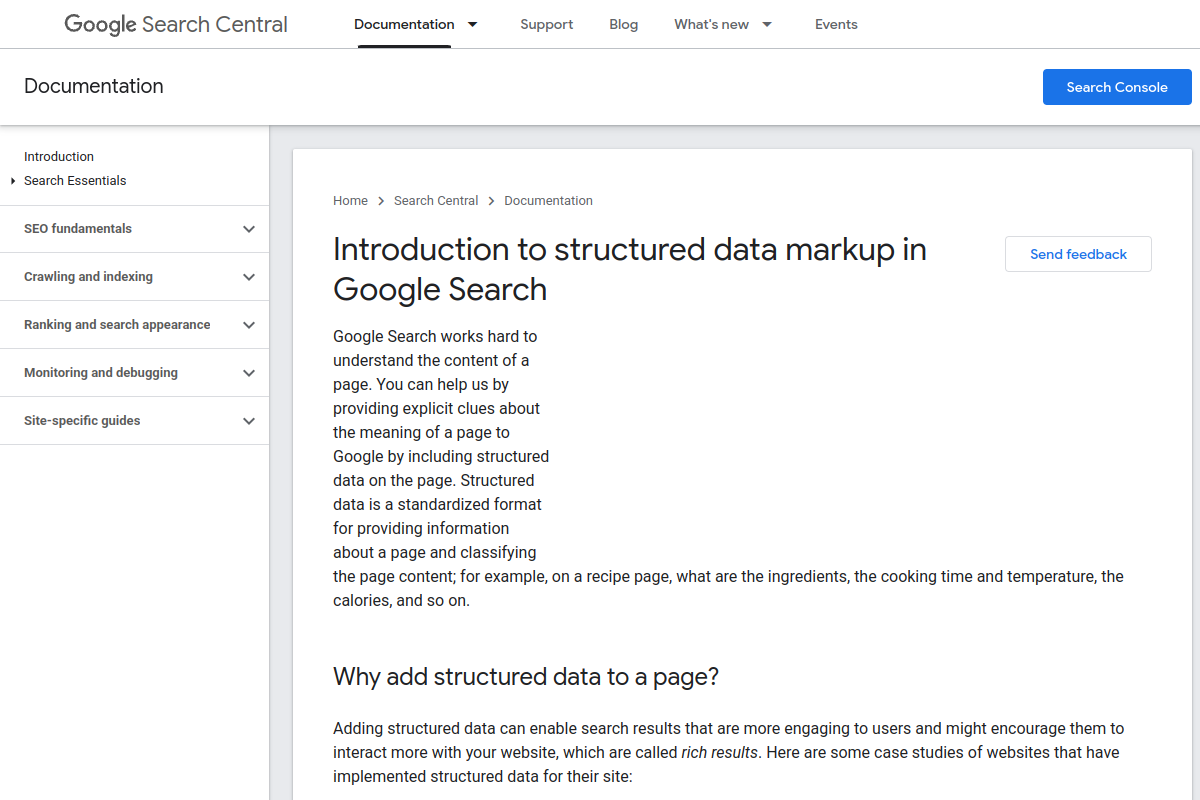
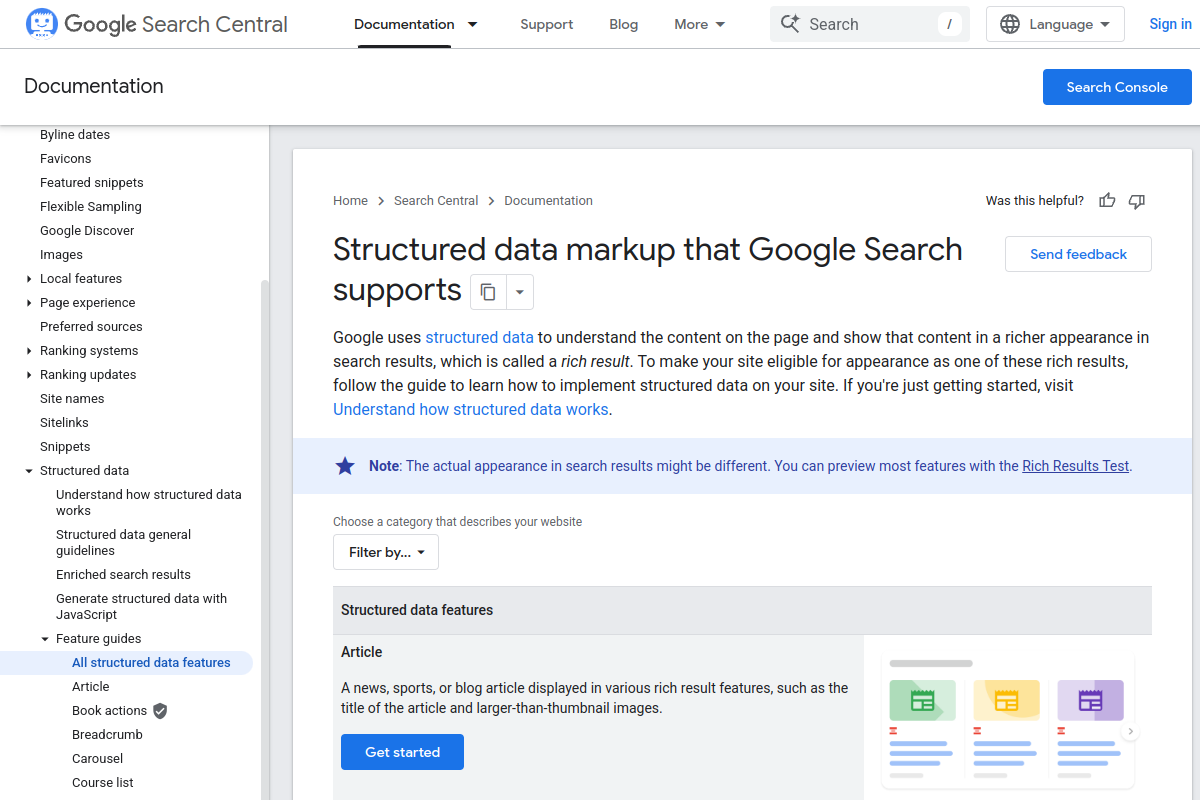
Schema markup helps search engines understand the structure and meaning of a page, but schema is not a shortcut. Google’s structured data guidelines require markup to reflect visible page content, follow quality policies, and match the relevant content type. FAQ structured data also has narrower eligibility in Google Search than many marketers assume, especially for broad commercial sites. Use schema because it clarifies the page, not because it guarantees a PAA placement.
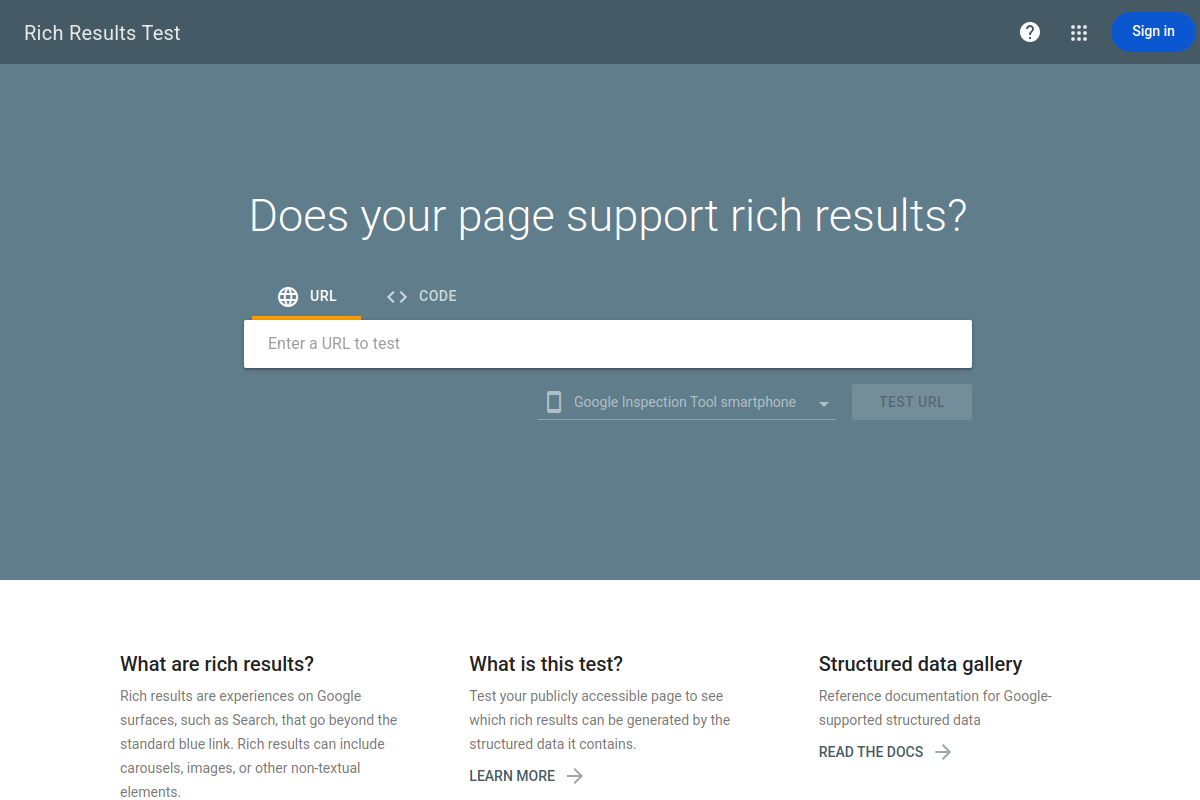
For PAA-style content, consider Article, FAQPage where eligible, HowTo where the page genuinely provides a step-by-step task, BreadcrumbList, Organization, Product, Review, and WebPage markup where appropriate. The markup should be technically valid and editorially honest. Do not mark up hidden content. Do not add fake reviews. Do not use FAQ schema for content that is not actually an FAQ. A cleaner structured data implementation is better than aggressive markup that creates quality risk.
Step 5: Support Answers With Evidence and Original Insight
PAA answers should be concise, but the page around them must be substantive. Google and AI systems both need signals that the answer is reliable. Add examples, screenshots, original data, expert commentary, definitions, caveats, and references where appropriate. For commercial pages, add product details, pricing context, limitations, use cases, and comparison criteria. For YMYL topics, use qualified sources and stronger editorial review.
Original insight is especially important because many AI-generated articles now share similar outlines and generic explanations. If every competitor defines the topic the same way, the page that adds practical examples, decision frameworks, data, or experience has a better chance of standing out. For Dageno AI users, this is also relevant to AI search visibility: answer engines often rely on sources that are clear, credible, and consistent across the web. A page with distinctive proof is more useful than a page that merely repeats the category consensus.
Step 6: Build Topic Clusters Around PAA Patterns
A single article cannot answer every related question in depth. Use PAA research to decide which questions belong on the primary page and which deserve supporting pages. For example, a main article about “AI SEO” might answer “What is AI SEO?” and “How is AI SEO different from SEO?” on the page, then link to deeper resources about AI SEO strategy, AI crawler optimization, AI search monitoring tools, and AI search optimization tactics.
This structure helps readers and search engines. Readers get a concise answer on the current page and a clear path to deeper material. Search engines see a coherent topical map. AI systems can also retrieve more consistent brand information across related pages. The result is stronger topical authority and better internal distribution of relevance.
Step 7: Refresh PAA Sections Regularly
PAA results change as search behavior changes. A question that appears today may disappear next quarter, and a new competitor may win a source slot after publishing a clearer answer. Refresh important pages every few months. Re-run SERP research, check Search Console queries, review competitor pages, update outdated examples, add missing questions, and improve weak answer blocks. Small changes can matter when the current answer is vague or outdated.
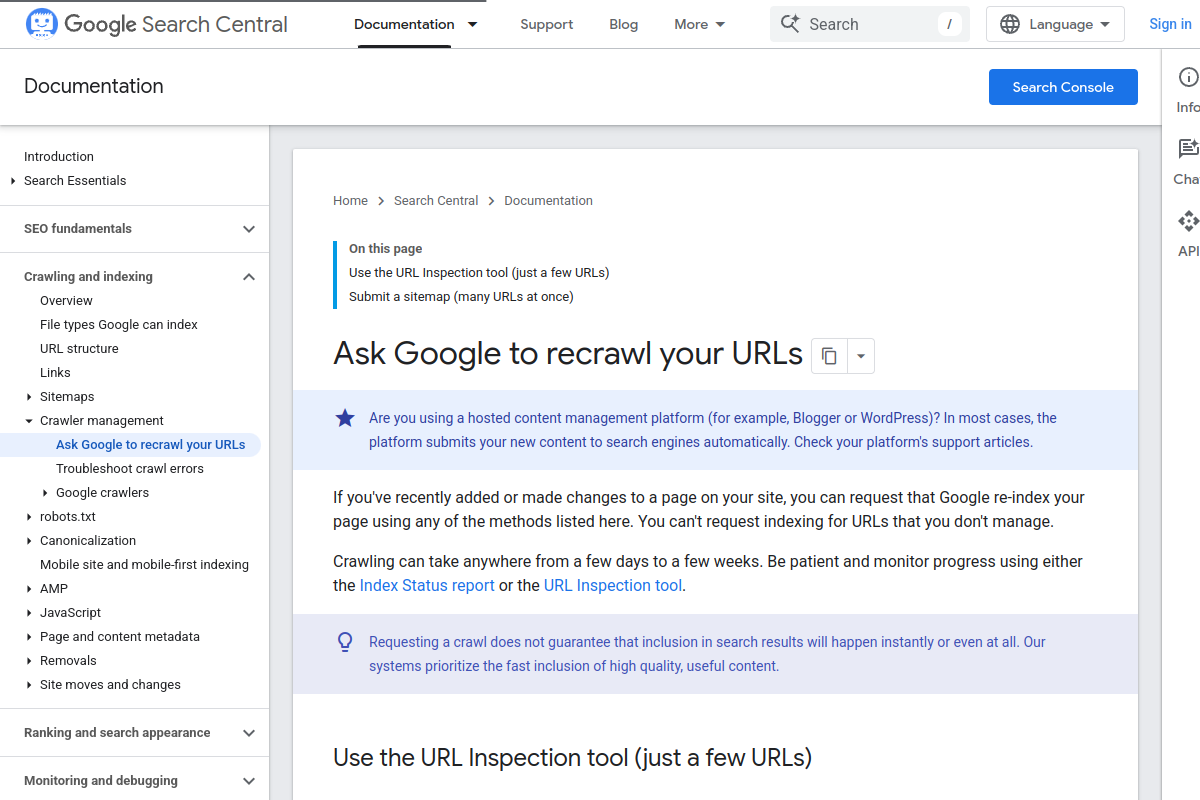
Refresh work should be evidence-led. Do not add every question just because it appears in a tool. Prioritize questions that match the page’s purpose, commercial intent, customer objections, and topical cluster. When using Dageno AI, teams can also look beyond Google SERPs and ask whether AI answer engines mention the brand correctly for the same question patterns. This helps the content team optimize for both classic search visibility and modern answer inclusion.
A Practical PAA Optimization Template
Use this template for important sections:
- Question heading: Use the exact PAA-style question when natural.
- Direct answer: Answer in two or three clear sentences.
- Expanded explanation: Add context, examples, caveats, and proof.
- Scannable structure: Use bullets, steps, or a table when useful.
- Internal link: Point readers to a deeper related page.
- External reference: Cite authoritative sources when the claim needs support.
- Schema check: Add only relevant, visible, compliant structured data.
- Refresh note: Revisit the section when SERP behavior or product facts change.
This template is effective because it respects both readers and retrieval systems. Readers get the answer quickly. Search engines get clean structure. AI systems get extractable facts and supporting context. Editors get a repeatable workflow that can be applied across blog posts, product pages, comparison pages, glossary pages, and help-center content.
Common Mistakes That Prevent PAA Visibility
The most common mistake is writing around the question without answering it. Many pages use a question heading but then start with background filler. The second mistake is treating PAA as a keyword-stuffing exercise. Repeating a question ten times will not compensate for a weak answer. The third mistake is adding schema that does not match visible content. The fourth mistake is failing to update pages after product facts, pricing, regulations, or market conditions change.
Another major mistake is ignoring AI search. A page may gain PAA visibility and still be absent when users ask ChatGPT or Perplexity for recommendations. The fix is not to abandon SEO. The fix is to extend SEO measurement. Track whether answer engines mention the brand, which sources they cite, which prompts trigger competitors, and whether owned pages provide the clean factual signals needed for retrieval. This is where Dageno AI can turn PAA optimization into a broader AI visibility program.
FAQ
Can any website appear in People Also Ask?
Any crawlable page with a clear, relevant, and trustworthy answer has a chance to appear, but there is no guaranteed method. The page needs to match the question intent, provide a direct answer, and be easy for Google to understand. Strong overall site quality, topical authority, and freshness can improve the likelihood.
Does FAQ schema guarantee a People Also Ask placement?
No. FAQ schema does not guarantee a PAA placement or rich result. Schema helps search engines understand content, but Google applies eligibility rules and quality policies. Use schema only when it accurately represents visible content and fits the page type.
Should every PAA question become a heading?
No. Use only questions that support the page’s purpose. If a question is too broad, too unrelated, or better suited to another page, use it as a supporting article idea instead. A strong page is comprehensive but not unfocused.
How does People Also Ask help AI search visibility?
PAA questions often resemble natural-language prompts that users ask AI assistants. By answering those questions clearly, building topic clusters, and supporting claims with evidence, content becomes more useful for both Google Search and answer engines. Dageno AI can help measure whether that content is actually being cited or mentioned in AI-generated answers.
References
About the Author

Updated by
Ye Faye
Ye Faye is an SEO and AI growth executive with extensive experience spanning leading SEO service providers and high-growth AI companies, bringing a rare blend of search intelligence and AI product expertise. As a former Marketing Operations Director, he has led cross-functional, data-driven initiatives that improve go-to-market execution, accelerate scalable growth, and elevate marketing effectiveness. He focuses on Generative Engine Optimization (GEO), helping organizations adapt their content and visibility strategies for generative search and AI-driven discovery, and strengthening authoritative presence across platforms such as ChatGPT and Perplexity
Related Articles
How to Select the Right AI Visibility Provider for Your Brand in 2026
Ye Faye • May 18, 2026
Search Intent: Analyze User Goals for SEO, AEO and AI Search

Tim • May 22, 2026
AI Search Visibility Optimization Platforms for Multinational Brands
Ye Faye • Jun 02, 2026
Google AI Mode Rank Tracker: Complete 2026 Guide
Tim • Sep 11, 2026